


Story by Linda Makau,
Kenya –The Weather and Climate Information Services for Africa (WISER) Kenya Project has been officially extended for another three years, bringing renewed hope for climate-resilient communities in Kenya. The project, which has been a game-changer in enhancing access to actionable climate information, will place inclusion of marginalized groups including women, youth, persons with disabilities (PWDs), and elders at the centre of its activities. WISER project is an initiative supported by the UK Government that seeks to help communities of Tana River and Garissa build resilience during drought and floods. This training equips stakeholders with the skills to access and use Maprooms so that climate information translates into real action on the ground
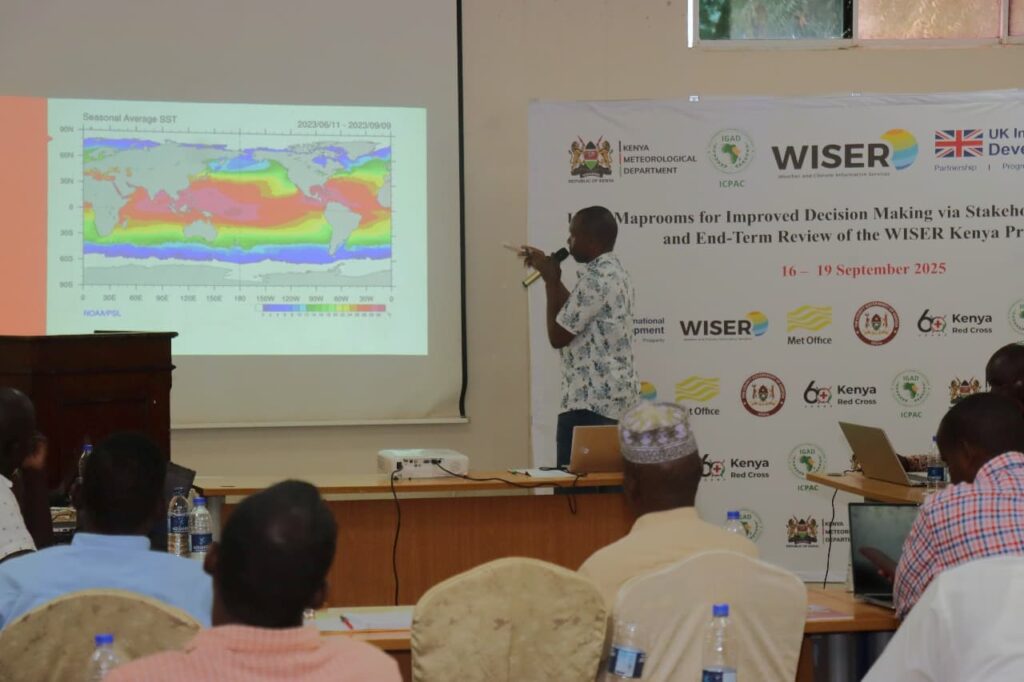
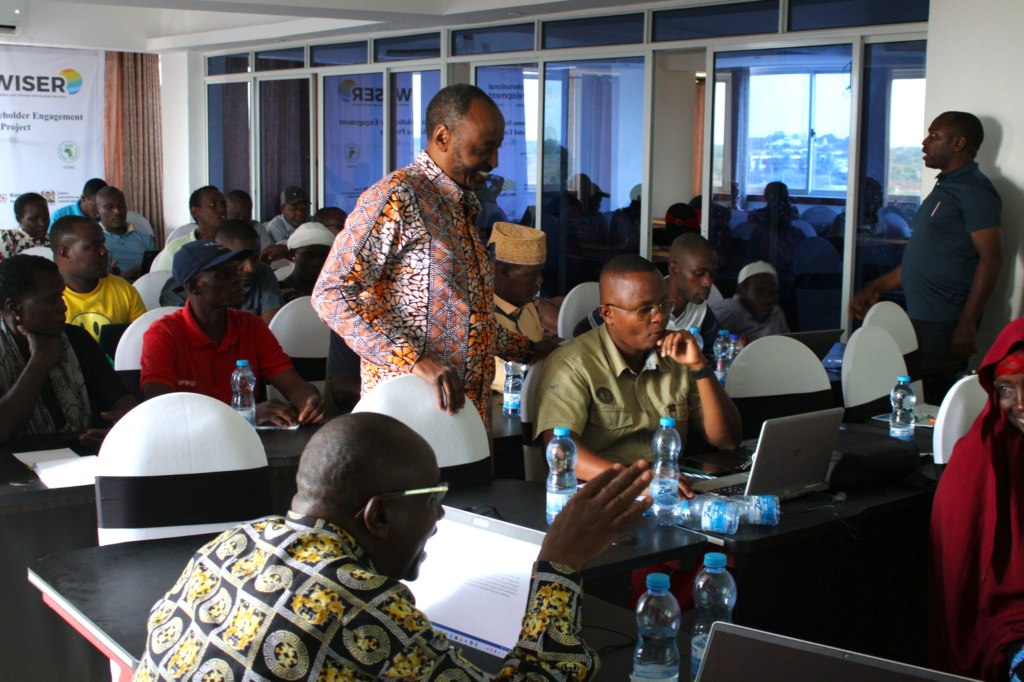
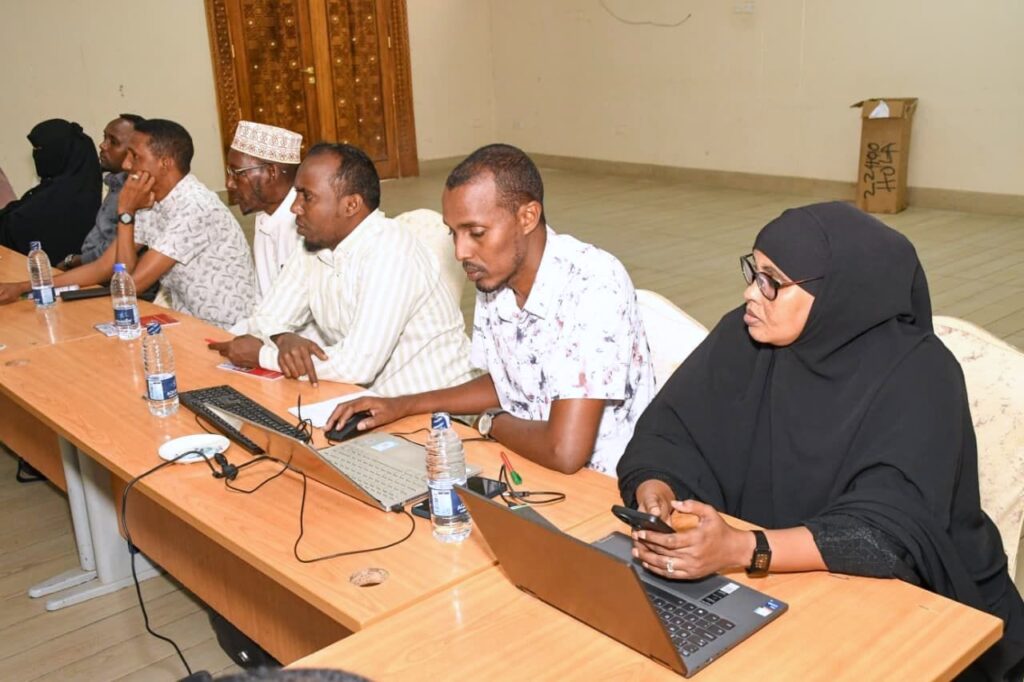
The extension was announced during the series of training workshops themed “Using Maprooms for Improved Decision Making via Stakeholder Engagement” held on 2nd-5th September 2025 in Tana River and 16th–18th September 2025 . The events brought together a wide spectrum of participants, from local leaders to community-based organizations, underscoring the project’s commitment to inclusive climate governance. Maprooms, developed under the WISER Kenya Project, are innovative, web-based platforms that integrate real-time climate data, historical trends, and predictive models. They enable policymakers, farmers, humanitarian actors, and community leaders to anticipate climate risks, prepare for disasters, and optimize agricultural and water resource planning. For counties like Garissa and Tana River in Kenya, prone to both droughts and floods, such tools are invaluable. By enhancing decision-making, Maprooms contribute directly to Agenda 2063 Goals 1 and 7, focusing on inclusive growth and environmentally sustainable, climate-resilient communities.
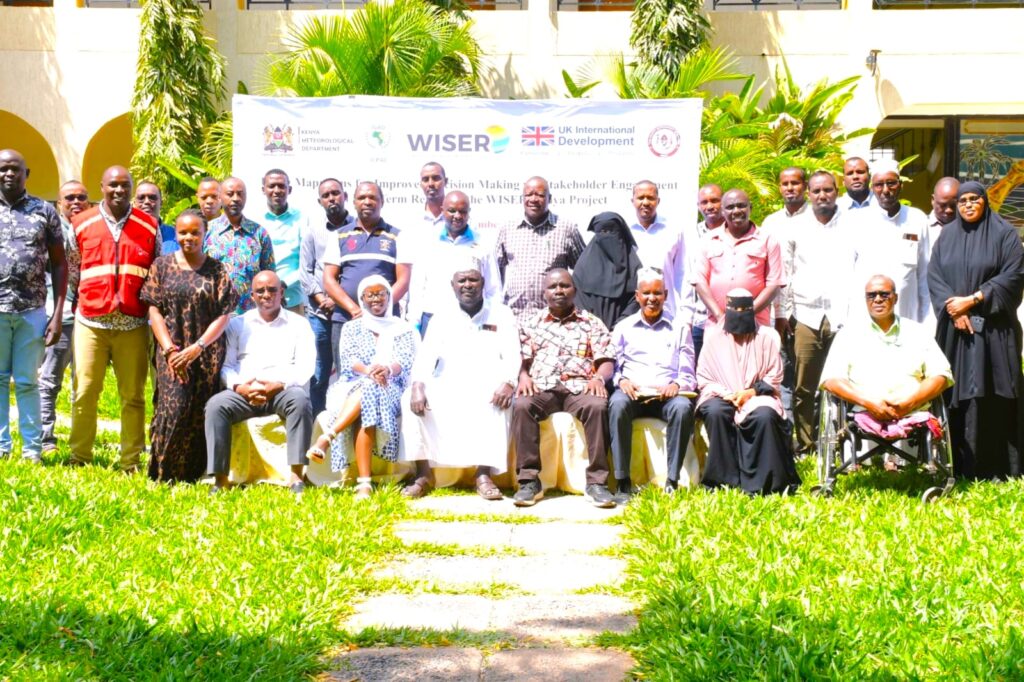
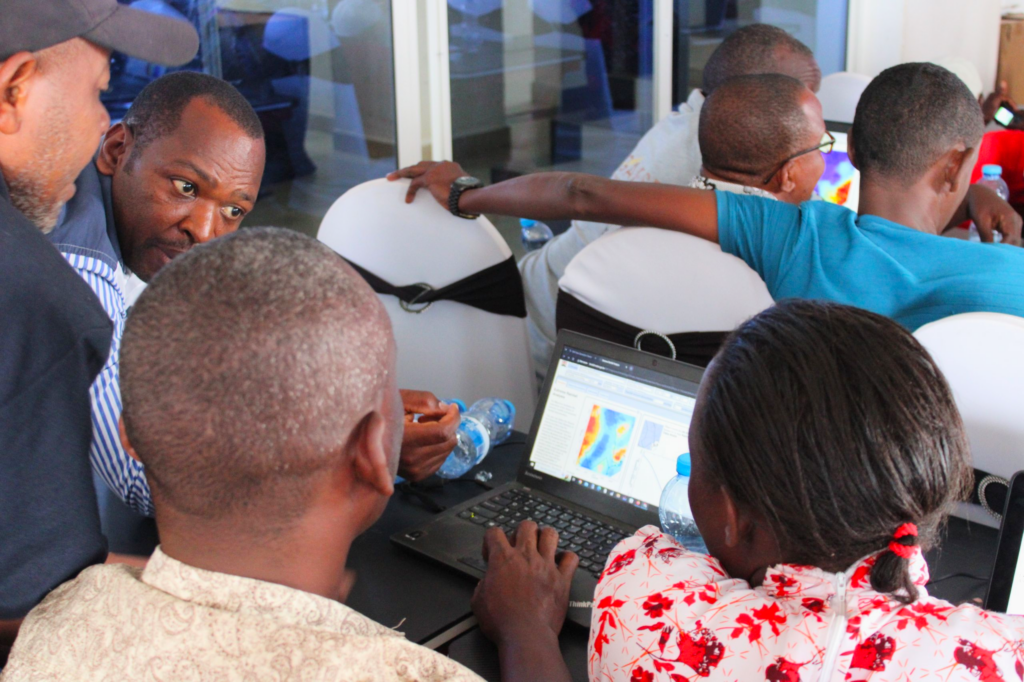
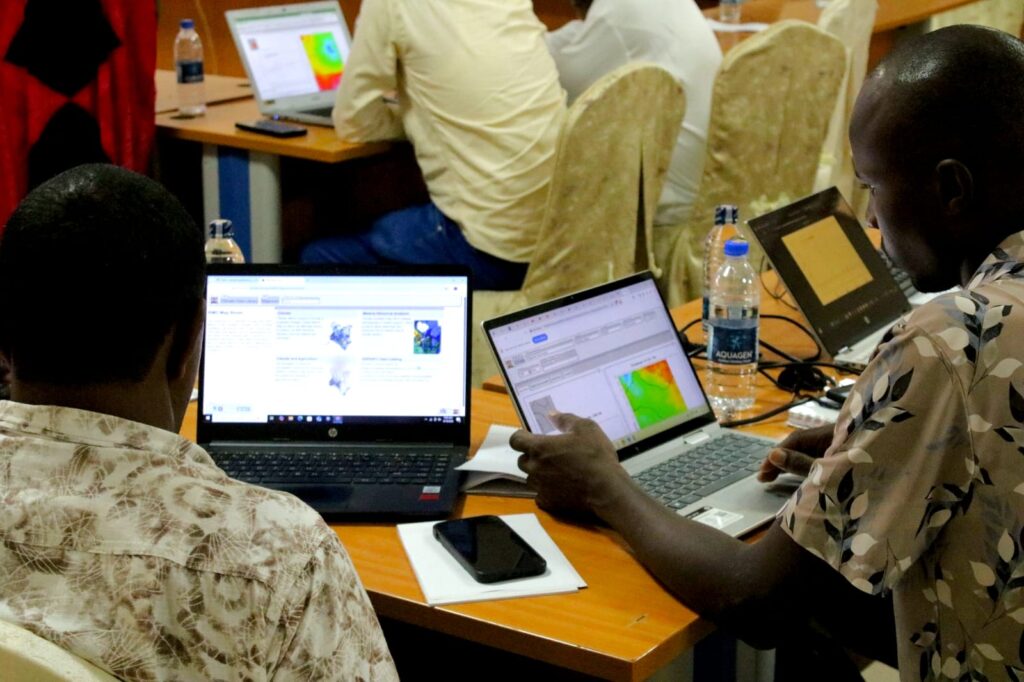
The decision to begin the extension phase in both Garissa County and Tana River County was deliberate and strategic. These regions have endured some of Kenya’s most severe floods and droughts in recent years, leading to loss of lives, displacement, and economic setbacks. Yet, they are also home to vibrant communities eager to embrace innovative climate tools that can change the narrative. These events align with the broader Agenda 2063 aspirations for a climate-resilient and food-secure Africa, making these regions a critical area for climate adaptation efforts. The training was highly interactive, blending presentations from the Kenya Met Services, and practical sessions where participants navigated Maprooms for real-time decision-making. For PWDs they often experience accessibility challenges in climate information and the workshop leads emphasized the importance of inclusive communication. Women and youth inclusion is critical thus form the foundation of the society and they lead in climate-smart agriculture and early warning systems could transform food security and livelihoods in Garissa County. Elders brought in traditional knowledge, bridging the gap between indigenous practices and modern climate science.
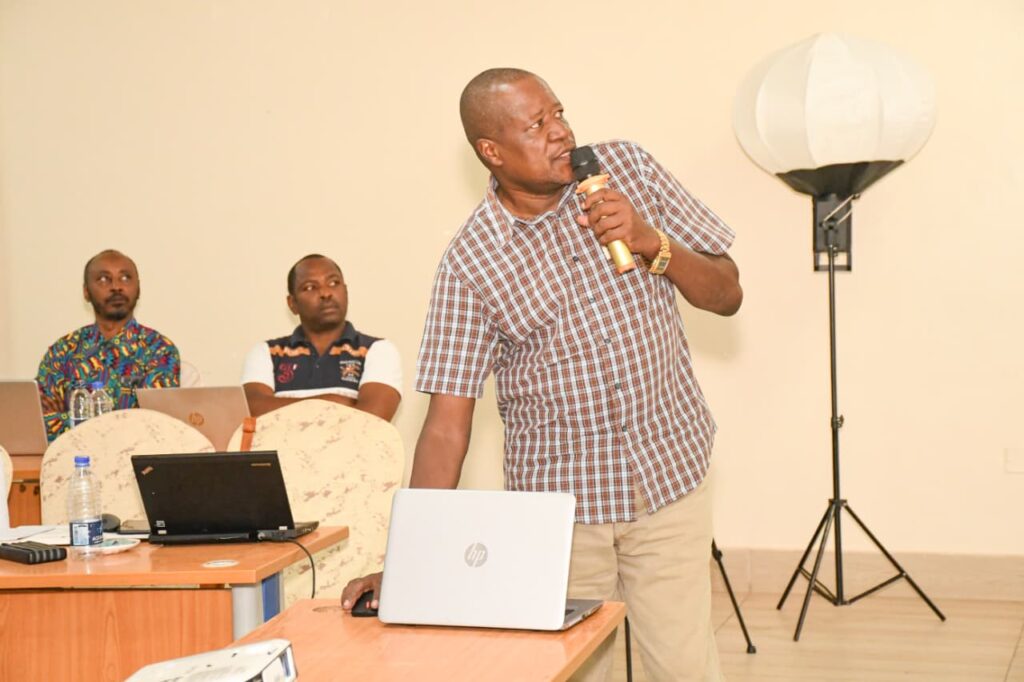
Opening the workshop, Dr. Philip Omondi, WISER Kenya Project Lead from ICPAC, emphasized the importance of integrating science, technology, and community engagement in tackling climate challenges.
“Maproom training focuses on utilizing a comprehensive collection of maps and data visualizations that track current and historical climate and societal conditions. The primary goal is to enhance the resilience and adaptive capacity of the people in Garissa, particularly the most vulnerable populations. By improving access to weather and climate information services, the initiative aims to better equip communities to prepare for and respond effectively to the impacts of climate change.”
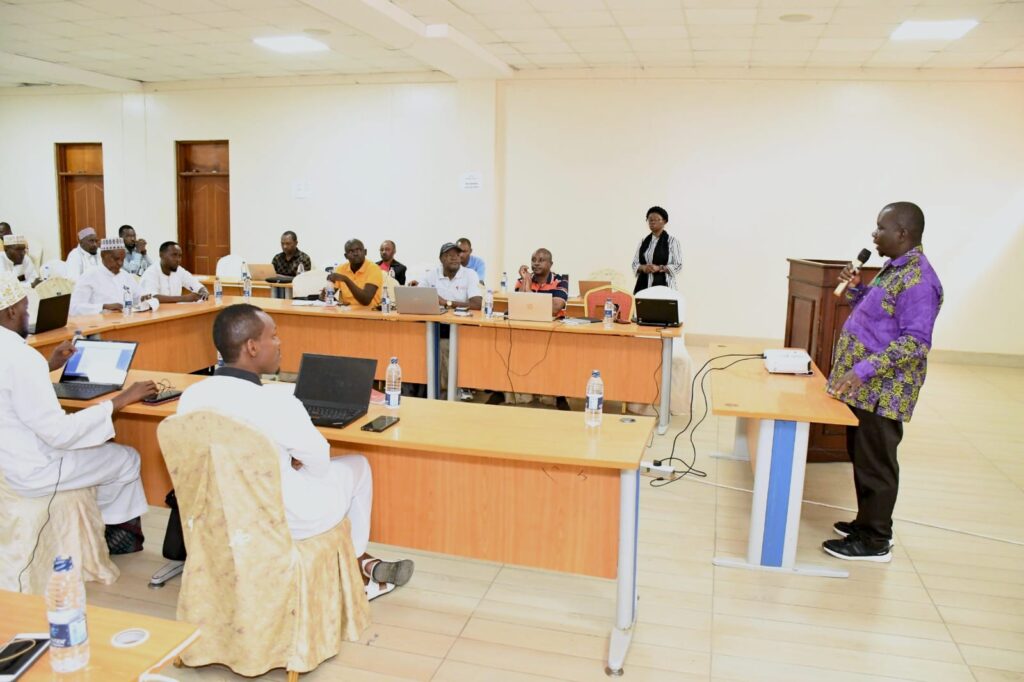
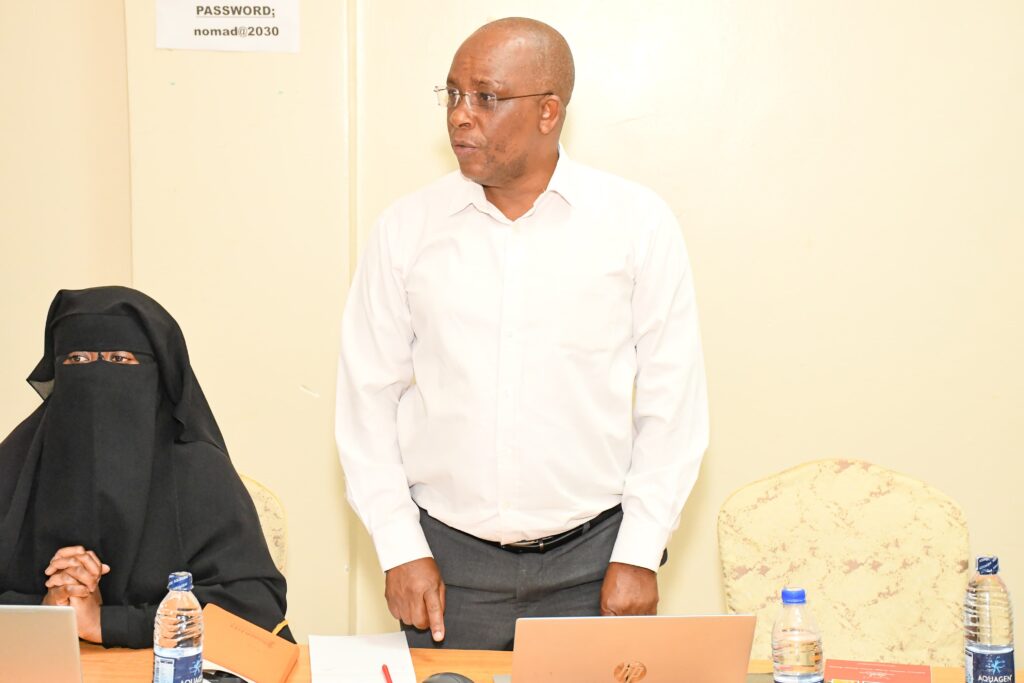
By equipping local decision-makers with innovative climate tools such as Maprooms interactive online platforms offering real-time data, historical trends, and future forecasts the project aims to strengthen community preparedness, disaster risk reduction, and agricultural planning. The Kenya Meteorological Department, represented by its Deputy director Kennedy Thiong’o and members of the Met society, reaffirmed its commitment to ensuring that climate information is timely, accurate, and actionable:
“This information is available on our website. The product uses historical data and its able to project what is expected in the county. Maprooms are transforming how climate data is accessed and used. With this training, stakeholders can turn data into decisions that save lives and strengthen community resilience,” He mentioned
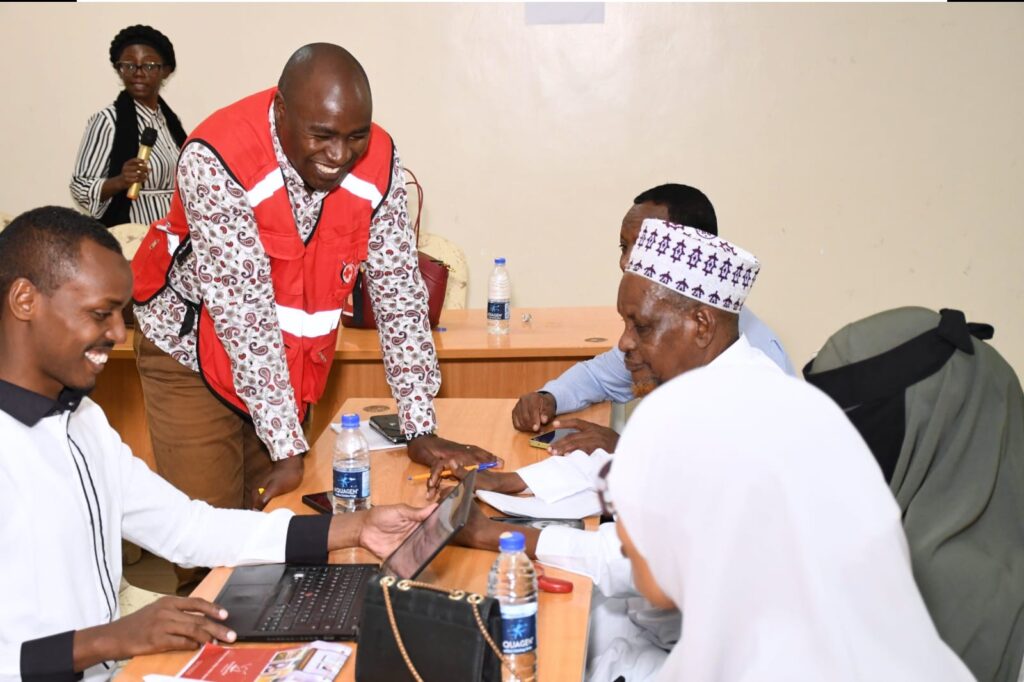
By rolling out Maproom training in Tana River, the project aims to empower communities with the skills to anticipate climate risks, plan for agriculture and water management, and prepare for disasters before they strike. The training workshop brought together PWDs, women, youth, and elders from across the county. For many participants, this was the first time they had direct access to interactive climate data tools and could engage experts on how to use them for local decision-making.
As key implementers on ground, the Kenya Red Cross Society-WISER, the Kenya program coordinator represented by Mr. Zachary Misiani, underscored the importance of community-driven adaptation measures:
“The objective of this project is to reach every vulnerable community. This will help all stakeholders involved to project forthcoming calamities. There is a need to utilize the Kenya Meteorological Department Maproom in a bid to improve interventions. In 2022, there was a prolonged drought that affected the counties of Garissa and Tana River. In 2023 and 2024, we had severe flooding and the same countries were affected. Therefore, this training for the community ensures that climate information leads to timely action on the ground,” he noted.
With its three-year extension, the WISER Kenya Project will expand Maproom training workshops beyond Tana River into other climate-vulnerable counties across Kenya. These efforts will link local climate adaptation with national development priorities and continental goals under Agenda 2063 and the African Union Climate Change and Resilient Development Strategy.
Dr. Omondi believes this reflection process is critical:
“This project embodies the spirit of Africa, the Continent of Hope and the Africa we want, AGENDA 2063,” he said. “It shows that with the right tools, knowledge, and inclusive approaches, communities can transform climate challenges into opportunities for sustainable development.” The African Union’s Agenda 2063 envisions “an Africa whose development is people-driven, relying on the potential of women and youth, and caring for children.” By including marginalized voices, WISER Kenya is directly advancing Aspiration 1 (inclusive growth and sustainable development) and Aspiration 7 (environmentally sustainable and climate-resilient Africa). As the WISER Kenya Project enters its next phase, the focus on science, technology, and inclusion sends a powerful message: Africa can overcome climate challenges through innovation, collaboration, and people-centered approaches.
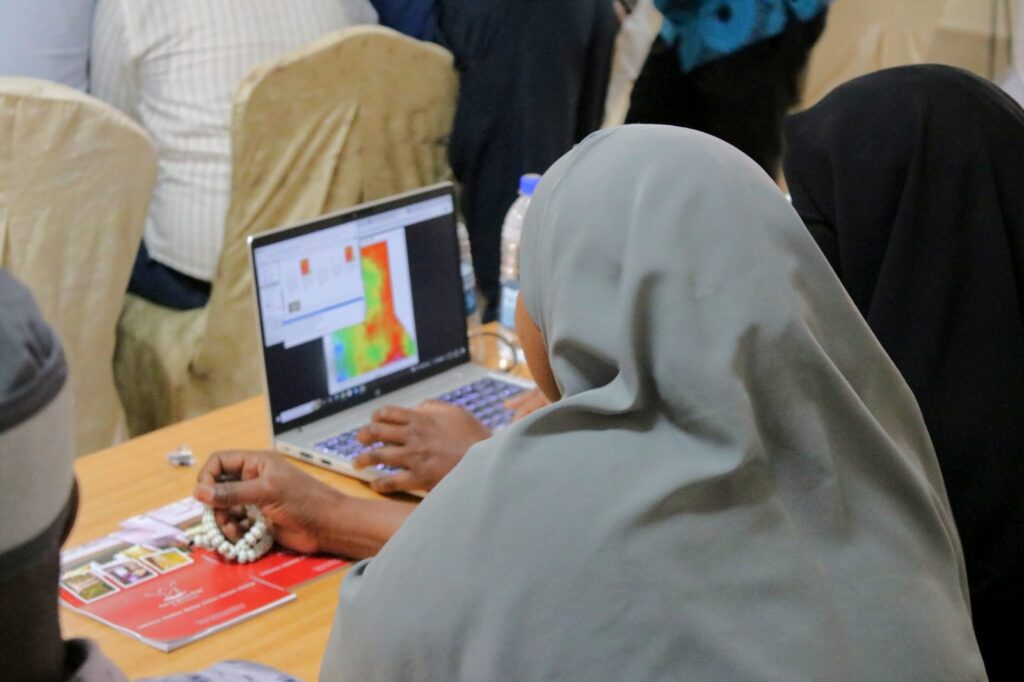
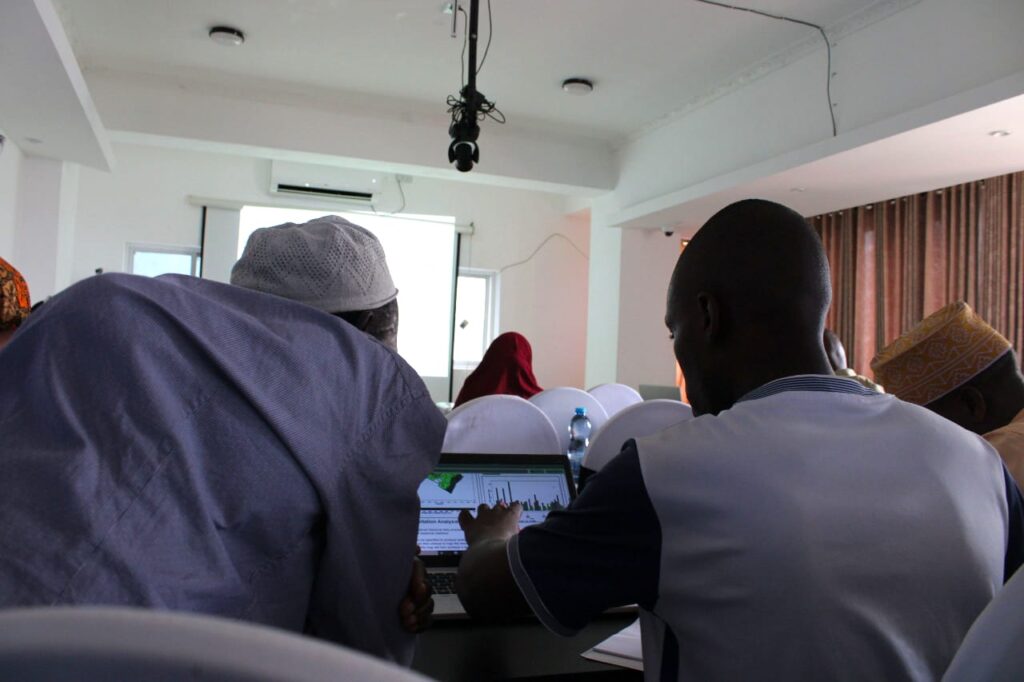
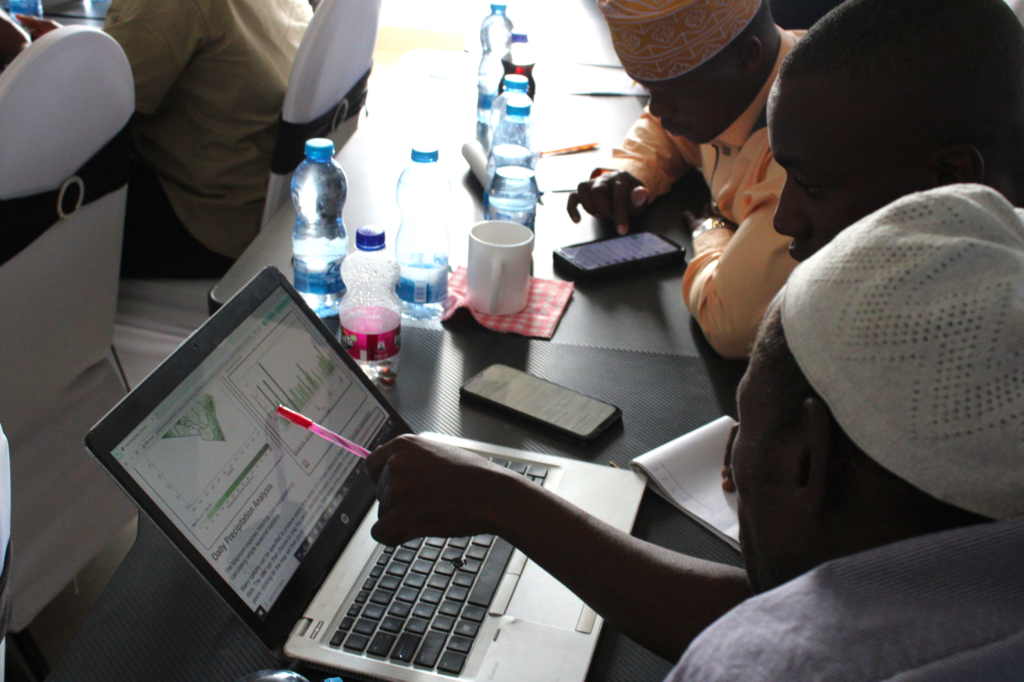
County officials noted that integrating Maprooms into county development plans would enhance disaster preparedness, agricultural planning, and water resource management, key priorities under Kenya Vision 2030 as well. This participatory approach ensured that the workshop was not just about technology transfer but also about co-creating solutions that reflect community priorities and local realities. By strengthening climate services, the project supports Aspirations 1 and 7 of Agenda 2063:
- A prosperous Africa based on inclusive growth and sustainable development.
- An environmentally sustainable and climate-resilient Africa.
By bringing all groups including women, youth, farmers, and herders together, this initiative helps reduce resource conflicts and promotes peaceful co-existence in a changing climate. With ICPAC, the Kenya Meteorological Society, the Kenya Red Cross, and local leaders working hand in hand, the Africa We Want by 2063; climate-smart, inclusive, and hopeful comes into sharper focus.
More from the trainings



Leave a Reply