
Story By Linda Makau,
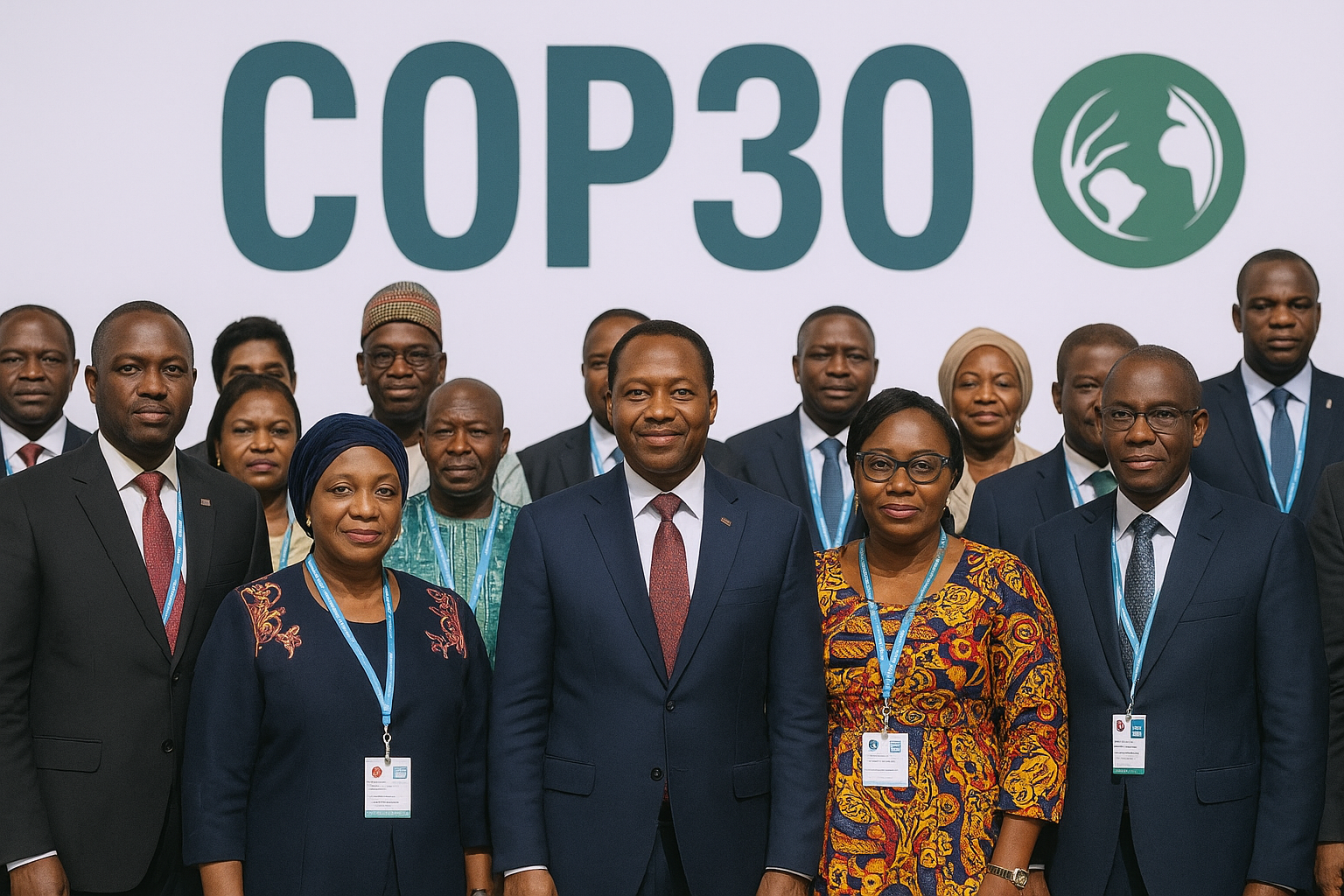
As the world prepares for the 30th UN Climate Change Conference (COP30) set to take place in Belém, Brazil, this November, Africa is stepping forward with a unified and transformative message: the continent of 54 nations aims to become the continent of climate solutions.
At a time when the global climate discourse remains polarized, Africa’s leaders are charting a new course one rooted in justice, adaptation, and sustainability. Their collective vision seeks not only to address the disproportionate effects of climate change on the continent but also to position Africa as a central player in shaping the world’s green future.
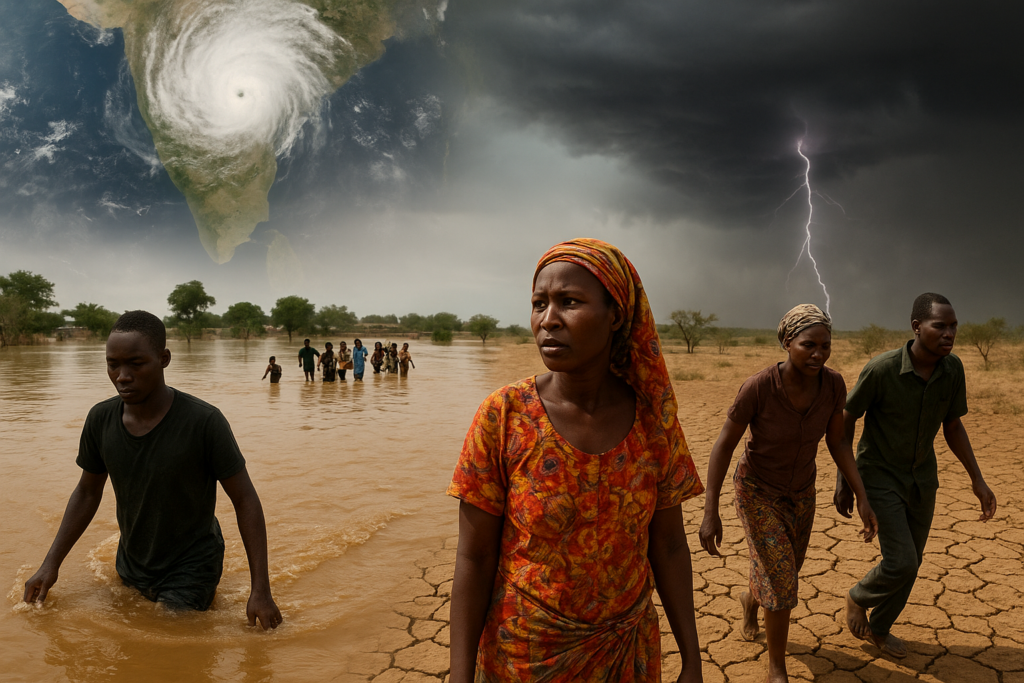
Africa contributes a mere 3% of global greenhouse gas emissions and accounts for just 6% of global energy use, yet it bears some of the most severe impacts of climate change. Floods, droughts, and erratic weather patterns continue to threaten food security, infrastructure, and livelihoods across the continent. Recognizing this imbalance, African nations have outlined a bold agenda emphasizing climate adaptation, climate justice, and energy access as the cornerstones of their unified platform.
At the recently held African Climate Summit (ACS) in Addis Ababa, Ethiopian Prime Minister Abiy Ahmed called for “bold, united, and sustained collaboration to avert climate catastrophe,” setting an ambitious goal to generate 1,000 African climate solutions by 2030. Ethiopia also announced a target to mobilize $50 billion annually for climate initiatives, even as questions remain about financing sources.
The summit doubled as a symbolic milestone, coinciding with the inauguration of Africa’s largest hydroelectric project the Grand Ethiopian Renaissance Dam and Ethiopia’s official bid to host COP32 in 2027, competing with Nigeria and other contenders.
A cornerstone of Africa’s climate strategy is the Green Minerals Strategy, adopted earlier this year. It seeks to leverage the continent’s vast reserves of critical minerals such as cobalt in the Democratic Republic of the Congo essential for the global green transition. This move underscores Africa’s intent to transform its natural wealth into an engine for sustainable industrialization.
“You can think of these as homegrown solutions to a climate problem that was largely caused by the rest of the world,” one African diplomat observed. This strategy aligns with Africa’s broader ambition to transition from being a passive recipient of climate aid to an active architect of climate solutions.
The summit’s final declaration also endorsed the use of carbon markets to finance green growth. However, this remains contentious. Deals like Zimbabwe’s agreement to allocate nearly 20% of its land to a UAE-based carbon trading firm have raised concerns about sovereignty and equitable benefit sharing. Still, the push signals Africa’s determination to find innovative mechanisms to fund its climate ambitions.
The Challenge of Inclusion: Visa Denials and Rising Costs
Visa Denials and Rising Costs Threaten Inclusion
Ironically, even as Africa prepares to speak with one voice, logistical barriers threaten to silence many of its representatives. Reports from Nigeria reveal that the Brazilian government has been denying COP30 visa applications at an alarming rate over the past two weeks. Even delegates with official UNFCCC badges have faced rejections, sparking outcry and calls for diplomatic intervention.
At the same time, the soaring cost of accommodation in Belém where hotel prices have skyrocketed ahead of the summit has made attendance prohibitively expensive for many participants from developing countries. “The profit motive remains alive and well in the midst of the Amazon jungle,” one observer noted wryly, “despite the best efforts of Brazil’s socialist government to suppress it.”
Perhaps it is these visible contradictions the commercialization of climate diplomacy and the exclusion of those most affected that led U.S. President Donald Trump to dismiss climate change concerns as “the biggest con job in history.” While his remarks trivialize the crisis, they inadvertently expose a persistent credibility gap in the global climate agenda.
These developments raise urgent questions about equity and accessibility in global climate negotiations. If the nations most affected by climate change cannot even gain entry to the room, how can the resulting agreements claim legitimacy? This ideological split could dominate debates at COP30, further testing the resilience of global cooperation under the UNFCCC framework. The conference must, therefore, not only invest in systems and technologies but also in people, communities, and institutions that sustain long-term climate resilience.
For Africa, COP30 is more than a conference it is a crossroads. The continent’s leaders are determined that this year’s negotiations will mark a shift from participation to power, from marginalization to leadership. “Africa has shown that it’s moving from the margins of global climate decision-making to the center,” one expert summarized. “The world should take note.”
As the countdown to Belém begins, the message from Africa is clear:
This time, the continent of climate solutions is not waiting to be invited to the table ; it is setting it.


Leave a Reply